
Drones have changed the way we capture photos and videos, explore the outdoors, inspect property, and experience flight for fun. As drone technology becomes more capable and accessible, responsible operation is becoming just as important as the technology itself.
Understanding drone safety, privacy, regulations, and responsible flying can help pilots enjoy their drones while protecting people, property, and the airspace around them.
Flying a drone can be exciting, but every flight comes with responsibility.
A drone pilot needs to remain aware of people, buildings, trees, power lines, other aircraft, weather conditions, and restricted areas. Even a small recreational drone can cause problems when operated carelessly.
Before taking off, check your surroundings, make sure the drone is operating properly, and understand the rules that apply to the location where you plan to fly.
Technology can assist the pilot, but responsible operation should always come first.
Today’s drones can include technology designed to make flying easier and safer.
Depending on the model, features may include obstacle detection, optical-flow positioning, GPS navigation, altitude control, automatic return functions, and other flight-assistance technology.
Obstacle-avoidance technology can be especially useful because it may help a drone detect objects in its flight path. However, pilots should never assume that an automated feature can detect every possible obstacle or replace careful flying.
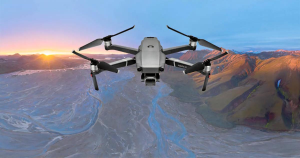
If you’re interested in seeing some of the technology available today, explore drones at Today’s Gadget Needs.
Privacy is another important consideration as drones become more common.
Many drones include cameras capable of capturing impressive aerial photos and video. That technology creates amazing opportunities for photography and recreation, but pilots should also respect the privacy of other people.
Avoid intentionally recording people in situations where they reasonably expect privacy, and be considerate when flying near homes or private property.
Responsible drone ownership isn’t only about following flight rules. It’s also about using the technology respectfully.
Drone regulations can vary depending on where you’re flying, how you’re using the drone, its weight, and other factors.
In the United States, the Federal Aviation Administration regulates the national airspace and establishes requirements for many recreational and commercial drone operations.
Before flying, pilots should check current FAA requirements and determine whether registration, testing, authorization, Remote ID compliance, or other requirements apply to their particular drone and flight.
Regulations can change, so it’s better to check current official guidance rather than rely on information you read months or years ago.
Not every location is appropriate for drone flight.
Airports, controlled airspace, temporary flight restrictions, certain government facilities, sporting events, emergency areas, and other locations can have restrictions or special requirements.
That’s why airspace awareness should be part of your pre-flight routine.
Some modern drones and flight applications may provide geofencing or airspace information to help pilots identify certain restricted areas. These tools can be helpful, but the pilot is ultimately responsible for determining whether a flight is permitted.
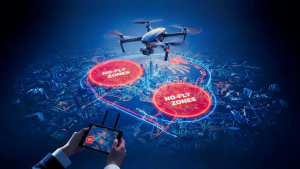
Maintaining awareness of your drone’s location is one of the fundamentals of responsible flight.
Watching a live camera feed can be exciting, but pilots also need to understand where the aircraft is in relation to people, buildings, trees, and other hazards.
Maintaining visual awareness makes it easier to react if conditions change unexpectedly.
Weather can change too. Strong wind, rain, poor visibility, and other environmental conditions can affect a drone’s performance and make a normally simple flight much more difficult.
As drones become more connected, data security is another consideration.
A camera-equipped drone may capture photos, videos, location information, and other data. Owners should understand how their particular drone and associated apps store, transfer, and protect that information.
Use secure account passwords, install legitimate software or firmware updates when appropriate, and review the privacy and security settings associated with your equipment and apps.
These habits are increasingly important as drones become part of a larger connected technology ecosystem.
Beginners may want to look for features that make learning to fly more manageable.
Stable hovering, altitude control, positioning technology, beginner-friendly controls, obstacle detection, and return functions can all be useful depending on the drone.
For example, Today’s Gadget Needs currently offers drone options designed around features such as cameras, flight assistance, and obstacle avoidance. Browse the latest drone technology at Today’s Gadget Needs to compare the types of features available.
No safety feature eliminates the need for a responsible pilot, but choosing a drone with useful flight-assistance technology can make learning and everyday operation more manageable.
Drone safety technology will continue to evolve.
Improved obstacle detection, navigation, positioning, geofencing, communication systems, and automated flight features could make future drones more capable of understanding and responding to their surroundings.
At the same time, regulations will continue evolving as drones become more common in photography, recreation, inspections, agriculture, emergency response, delivery, and other applications.
The challenge will be balancing innovation with safety, privacy, and responsible use.
Drones give us an incredible opportunity to experience the world from a completely different perspective.
The key is enjoying that technology responsibly.
Learn how your drone works, check the rules before flying, respect other people’s privacy, pay attention to your surroundings, and never rely entirely on automated safety features.
A responsible pilot can have plenty of fun while helping keep drone flying safe and enjoyable for everyone.
Ready to see what’s available? Explore drones at Today’s Gadget Needs and discover the latest options for taking your next adventure to the sky.
Want to see why safe drone flying matters? Check out this quick FAA video that explains how responsible drone pilots help keep our skies safe. From understanding airspace rules to avoiding restricted areas, these simple guidelines make it easier for everyone to enjoy drone technology while protecting people, property, and other aircraft.
